Contact

Schedule Consultation
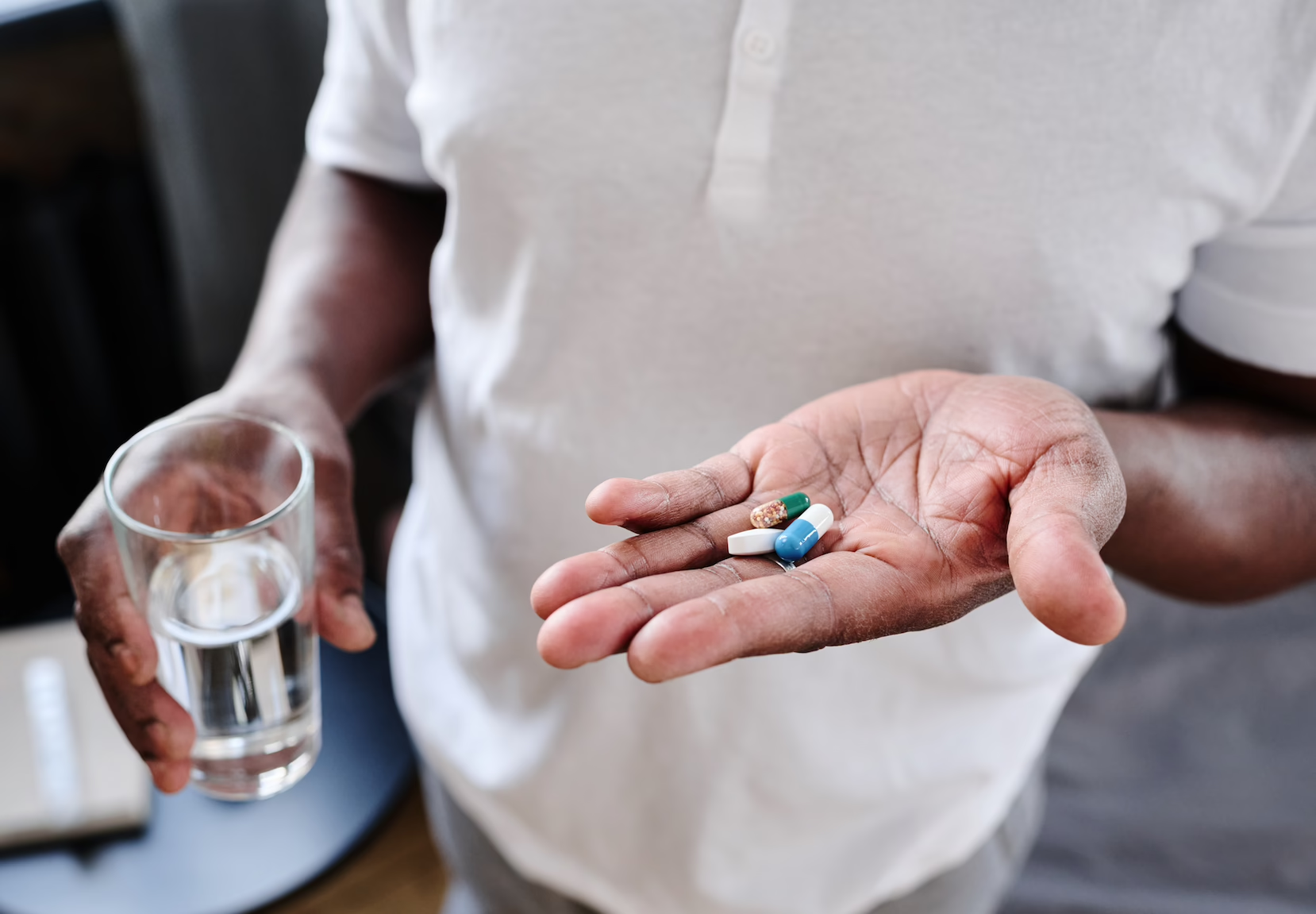
Person holding pills in one hand and a glass of water in the other Person holding pills in one hand and a glass of water in the other

MASS TORT CASE

PPI – Nexium, Prilosec & Prevacid

The published PPI case information concerns Nexium, Prilosec, and Prevacid claims alleging kidney injuries and inadequate warnings.

3

Named PPI products

2020+

Source injury cutoff

$0

Owed Unless We Win

Background

Proton Pump Inhibitor Claims

The Nexium and Prilosec lawsuits claim the long-term use of these drugs can increase the likelihood of strokes, bone fractures, acute kidney injury, renal failure, and heart damage. The manufacturers of Nexium and Prilosec failed to warn doctors and patients that use of its medication could cause kidney and renal failure, including acute interstitial nephritis (AIN).

We are one of the few law firms that have been appointed to the Plaintiff’s Executive Committee by the judge overseeing all of the federal lawsuits involving Nexium and Prilosec, and its link to kidney and renal injuries. This means that we are directly involved in the national investigation and discovery that will hopefully result in a positive outcome for the individuals injured by this drug.

Do YOu Qualify?

Eligibility Criteria

You are currently under 76 years of age.

You used a brand-name or brand-generic over-the-counter proton pump inhibitor (PPI).

You were diagnosed with a qualifying kidney condition.

Your kidney injury diagnosis occurred in 2020 or later.

Qualifying Kidney Conditions

Acute Interstitial Nephritis (AIN)

Acute Kidney Injury (AKI)

Chronic Interstitial Nephritis (CIN)

Chronic Kidney Disease (CKD) Stage 4 or 5

End-Stage Renal Disease (ESRD)

Products

Nexium

Prilosec

Prevacid

How We Work

Free Claim Review

No cost to find out whether you have a case. We review every detail before you commit to anything.

No Fees Unless We Win

The published case information describes contingency-based services, with no legal fees unless compensation is recovered on your behalf.

Understand Your Legal Options

Our attorneys can answer your questions and help you understand your legal options.

Not a Match?

Other Cases We’re Investigating

Frequently Asked Questions

What are proton pump inhibitors, and which medications are involved in lawsuits?

Proton pump inhibitors (PPIs) are medications used to reduce stomach acid and treat conditions such as acid reflux and gastroesophageal reflux disease (GERD). Common brands include Nexium, Prilosec, and Prevacid. Lawsuits have alleged that manufacturers failed to adequately warn patients about certain risks associated with these medications, particularly kidney-related injuries.

What kidney problems have been linked to proton pump inhibitors?

Research has identified associations between PPI use and certain kidney conditions, including acute interstitial nephritis, acute kidney injury, and chronic kidney disease. These conditions have also been central to PPI litigation. However, an association does not establish that a medication caused an individual patient’s kidney condition, and other medical factors must be considered.

Can I pursue a claim if I developed kidney disease after taking Nexium, Prilosec, or Prevacid?

A diagnosis of kidney disease following PPI use does not automatically establish a legal claim. An attorney would need to evaluate your medication history, medical records, diagnosis, and the applicable legal deadlines. Significant PPI litigation has already been settled, and some firms no longer accept new cases, so the availability of a claim must be confirmed individually.

What evidence is needed for a proton pump inhibitor lawsuit?

Useful documentation may include prescription records, pharmacy histories, dates and duration of medication use, kidney function test results, medical diagnoses, and treatment records. These documents can help establish which medication was used and when kidney-related symptoms or diagnoses occurred.

Are proton pump inhibitor lawsuits still ongoing?

Some PPI litigation remains pending, although major settlements have already occurred, including a 2023 settlement involving Nexium and Prilosec claims. The existence of pending litigation does not mean every new claim can still be filed or accepted. Individuals with existing claims should consult their attorneys, while potential new claimants should confirm whether any legal options remain.

Start Your Free Case Evaluation

Ready to discuss your case? Contact our team for a free claim review.

We will contact you within 48 hours of your request
Menu