
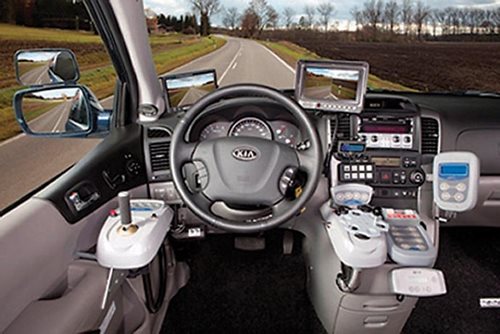
For decades, disabled veterans who received a VA-funded adapted vehicle faced a tough reality: One vehicle, one time, for life. But what happens when that vehicle ages, breaks down, or no longer meets your changing needs? The Advancing Uniform Transportation Opportunities for Veterans Act—known as the AUTO for Veterans Act—aims to change that by allowing eligible veterans to receive a second adapted vehicle after 10 years. Let’s break down what this means for you.
What Is the AUTO FOR VETERANS ACT?
The AUTO for Veterans Act is federal legislation that modifies the VA’s automobile allowance and adaptive equipment program. In simple terms, it removes the “one vehicle for life” rule and allows eligible disabled veterans to receive an additional adapted vehicle if at least 10 years have passed since they received their first one.
This might sound like a small change, but for veterans with serious mobility disabilities, it’s significant. Vehicles wear out. Adaptive equipment deteriorates. Medical needs change. A 10-year window gives veterans the chance to get a newer, safer, more reliable vehicle when they truly need it.
The Problem It Solves
Before the AUTO for Veterans Act, the VA’s vehicle benefit worked like this:
- You qualified for a service-connected disability that affected your mobility
- The VA provided a grant (up to $22,356 in 2022) to buy an adapted vehicle
- The VA also covered adaptive equipment—hand controls, wheelchair lifts, ramps, special seating
- After that? You were on your own for the next 30, 40, or 50 years
Think about it: a vehicle purchased in 1995 might still be running in 2025, but it’s likely to have mechanical problems, outdated safety features, and adaptive equipment that no longer works reliably. A veteran with a permanent disability shouldn’t have to choose between an unsafe vehicle and financial hardship.
How the 10-Year Rule Works
Under the AUTO for Veterans Act, here’s the timeline:
- Year 1: You receive your first VA automobile allowance and buy an adapted vehicle
- Years 2–10: You own and maintain that vehicle
- Year 10+: Once 10 years have passed, you become eligible to apply for a second vehicle allowance
- You can then use that second grant to purchase a new adapted vehicle
The keyword is “eligible.” Just because 10 years have passed doesn’t mean the VA automatically gives you another vehicle. You still need to meet the VA’s eligibility criteria (more on that below).
What Stays the Same
The AUTO for Veterans Act doesn’t change who qualifies for the VA’s automobile allowance in the first place. You still need to have a service-connected disability that significantly affects your mobility. The Act simply allows you to access that benefit more than once over your lifetime.
Adaptive equipment coverage also remains the same. Whether you’re on your first vehicle or your second, the VA will help cover the cost of modifications that allow you to safely operate or ride in the vehicle.
Why This Matters
 For a veteran with a permanent, service-connected disability, reliable transportation isn’t a luxury—it’s essential. It’s how you get to medical appointments, work, school, and maintain your independence. A vehicle that’s 15 or 20 years old, with worn-out adaptive equipment, puts that independence at risk.
The AUTO for Veterans Act recognizes that disabilities don’t expire, and neither should the support to maintain mobility. By allowing a second vehicle benefit after 10 years, the law helps ensure that veterans can stay safe, independent, and mobile throughout their lives.
Do I Qualify for the AUTO for Veterans Act?
Here’s the straightforward version. You may be eligible for the AUTO for Veterans Act if you answer “yes” to all of these:
- You are a veteran or active duty servicemember
- You have a service-connected disability (meaning it was caused by or made worse by military service)
- Your disability significantly affects your ability to walk or use your arms and hands
Important Note:
The specific disabilities that qualify are determined by the VA and include conditions like loss of use of limbs, severe vision loss, loss of use of both hands, and certain other serious mobility-related disabilities. If you’re not sure whether your disability qualifies, contact the VA directly—they can review your specific situation.
Now what? How do I apply?
If you think you qualify, click here to learn more about the automobile allowance program. You can also speak with a VA benefits counselor who can review your eligibility and help you apply.